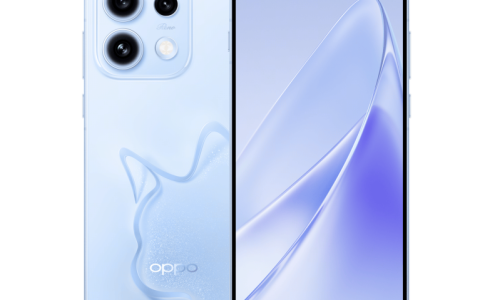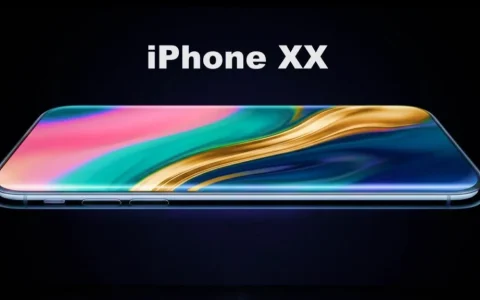
Many tech enthusiasts will remember the wave of curved-screen phones that swept the smartphone industry a couple of years back. Back then, curved displays were a premium feature reserved only for flagship models. The visual experience was undeniably stunning; the side bezels seemed almost erased. From the front, the display looked as if it was floating above the glass.
Yet flaws soon surfaced. Edge accidental touches persisted no matter how developers tweaked the software, and applying screen protectors was a constant headache. A single drop could crack the panel, with a replacement cost nearly half the price of the phone itself. Chinese flagship makers then shifted course collectively, and flat screens became the mark of a premium device.
Now the tide is turning again. Huawei’s Mate 90 Air, set to debut on November 24, marks a return with its equal-depth four-curved display. And this may just be the beginning. Latest leaks suggest other flagship brands will bring curved screens back next year.
Xiaomi 19 Series
The Xiaomi 19 series is the first to surface in rumors. As we know, the Xiaomi 18 standard model is due to launch next month, wrapping up this year’s numbered flagship lineup. Attention has naturally shifted to its successor arriving next year.
Digital tipster @SmartPikachu recently shared that the flagship project started development with two cover-glass options, flat and curved, tagging the post with “Xiaomi 19”. (Image source: Weibo @SmartPikachu)
This means the brand will not adopt a one-size-fits-all approach: not all models flat, nor all curved. Both form factors are in the plan. It is widely expected that the Pro variant will use a curved screen while the base model stays flat.
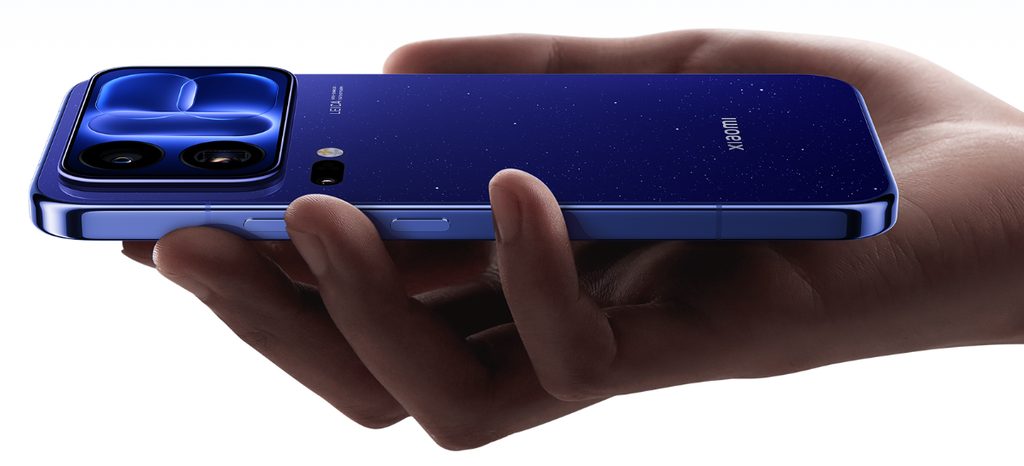
Further rumors point to an “edgeless four-curved display” for the Xiaomi 19. Put simply, all four edges — top, bottom, left and right — feature gentle curves. Flat screens have sharp borders. Even with ultra-narrow bezels, that dividing line between glass and frame remains visible. The four-curved design lets the glass slope down toward the midframe, visually hiding that boundary for a more immersive look.
It also improves ergonomics. The curved transition between screen and chassis eliminates the sharp, uncomfortable edge, making one-handed use and swiping along the sides much smoother. (Image source: Xiaomi)
This is not the same as the old waterfall screens. Waterfall panels featured aggressive curvature, notorious for accidental touches, green tinting at edges and distorted visuals. The new design relies on subtle, restrained curvature, keeping the visual benefits while minimizing downsides.
There are scattered leaks about other specs for the Xiaomi 19. @SmartPikachu previously mentioned that both internal and external variable-aperture camera systems are under development, potentially arriving on a special high-end variant next year. Other rumors mention a large-capacity battery, high-resolution camera system and the next-generation flagship chipset. None of these details have been officially confirmed, so official announcements should be treated as the final source of truth.
iPhone 20 Series
2027 marks the 20th anniversary of the iPhone, and the iPhone 20 is already generating massive hype. According to available information, this generation will get a full redesign, with the display as the core upgrade: a front-facing “four-curved edgeless” panel. (Image source: Weibo @i 冰宇宙)
Tipster @i 冰宇宙 recently reported Apple is preparing four models for the 20th anniversary lineup. Two will stick with traditional flat glass, while the other two adopt four-curved glass. As expected, the two Pro models will be the first to get curved screens. The tipster also shared a photo of what is claimed to be an iPhone 20 Pro screen cover sample. It shows consistent, shallow curvature on all four sides, with bezels narrowed down to roughly 1 mm. The Dynamic Island cutout stays similar in size to the iPhone 18 Pro, with no major reduction.
He also shared extra details: Apple initially tested a sharper, more aggressive curve before dialing it back. From the front, the finished look is extremely close to a true bezel-free display. There is little information so far on stacked variable-aperture cameras or other new hardware tricks.
Here’s the question: if curved screens really make a comeback, would you buy one?